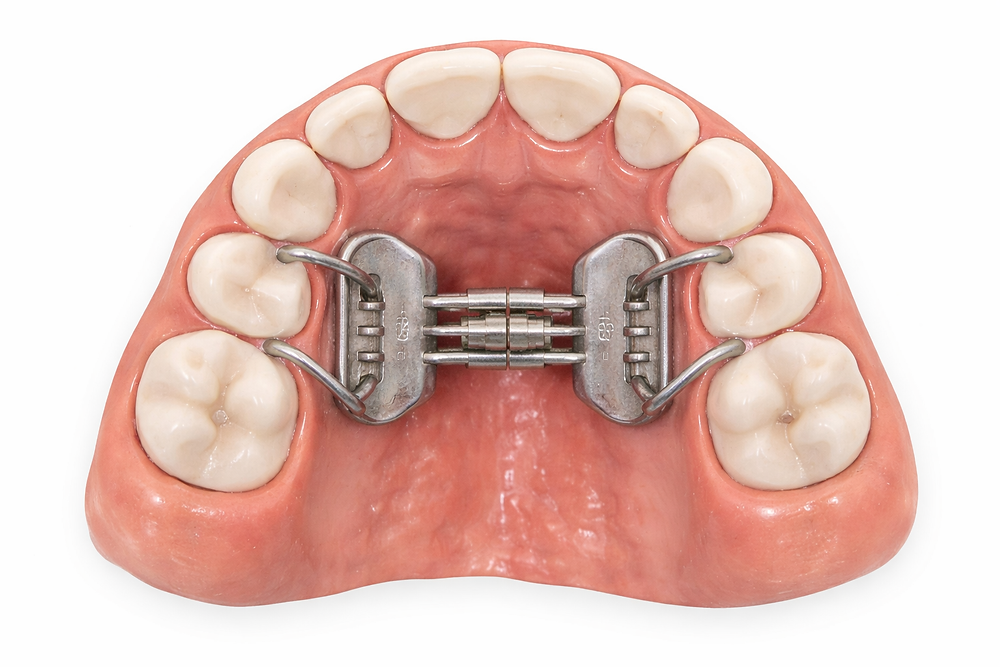
When parents hear the word expander in relation to their child's dental care, it can sound intimidating. Most are familiar with braces, but an expander is less common and may seem like a bigger step than it actually is. In reality, palatal expanders are a simple and effective orthodontic tool designed to help children with specific jaw and bite issues. Using an expander at the right time can make a significant difference in your child’s dental development.
Why Your Child Might Need an Expander
Many parents come to orthodontists thinking their child’s problem is just crooked teeth. While crooked teeth are often part of the issue, the root cause can be more complex. Common problems include crowding, crossbites, or adult teeth that don’t have enough space to grow in properly. These problems often stem from a narrow upper jaw.
The upper jaw’s width affects how the top and bottom teeth fit together. If the upper jaw is too narrow, the bite can shift, and permanent teeth may not have enough room to come in straight. This can lead to more complicated orthodontic problems later in life. Addressing this early, while the child is still growing, can prevent these issues and make treatment easier.
What a Palatal Expander Does
A palatal expander is an orthodontic appliance that fits on the upper teeth. Its purpose is to gradually widen the upper jaw by applying gentle pressure over time. This process takes advantage of the fact that a child’s jaw is still developing and flexible.
The expander works by separating the two halves of the upper jaw at the midline, allowing new bone to fill in the gap. This widening creates more space in the mouth, improving how the upper and lower teeth fit together. It also helps permanent teeth come in properly without crowding.
This treatment is not about forcing the jaw into an unnatural shape. Instead, it guides natural growth in a healthier direction, making future orthodontic work simpler and more effective.
Signs Your Child May Benefit from an Expander
Parents may notice several signs that suggest an expander could help their child:
- Crowded teeth that seem too tight or overlapping
- Crossbite, where the upper teeth bite inside the lower teeth
- Narrow smile or upper jaw that looks smaller than the lower jaw
- Difficulty chewing or biting properly
- Mouth breathing or speech issues related to jaw structure
If you observe these signs, it’s a good idea to consult an orthodontist. Early evaluation can determine if an expander is the right first step.
The Treatment Process
Using a palatal expander usually involves the following steps:
- Initial assessment
The orthodontist examines your child’s teeth and jaw, often using X-rays or 3D scans to understand the structure.
- Fitting the expander
The appliance is custom-made to fit your child’s upper teeth and cemented in place.
- Activation
Parents or the child turn a small key in the expander daily or as instructed. This turns a screw that gradually widens the appliance.
- Monitoring progress
Regular visits to the orthodontist ensure the expansion is proceeding correctly and comfortably.
- Retention phase
After the desired width is reached, the expander stays in place for a few months to allow new bone to solidify.
The entire process typically takes a few months. Most children adapt quickly and experience minimal discomfort.
Benefits Beyond Straight Teeth
Palatal expanders do more than just create space for teeth. They support overall jaw development and bite function. Some benefits include:
- Improved bite alignment
Correcting crossbites and ensuring the upper and lower teeth fit together properly.
- Reduced need for tooth extractions
Creating space can prevent the need to remove permanent teeth later.
- Better facial symmetry
A well-developed upper jaw supports balanced facial growth.
- Enhanced breathing and speech
Widening the palate can open nasal passages and improve airflow.
These benefits contribute to healthier oral function and can reduce the complexity of future orthodontic treatment.
When to Consider an Expander
The best time for palatal expansion is during childhood, usually between ages 6 and 14. This is when the upper jaw is still growing and the midpalatal suture (the joint between the two halves of the upper jaw) has not yet fused.
Waiting until adulthood makes expansion more difficult and may require surgery. Early intervention takes advantage of natural growth and leads to better outcomes.
What Parents Should Know
- Treatment is temporary and non-invasive
The expander is worn for a limited time and does not involve surgery for most children.
- Children usually adjust quickly
Some initial pressure or mild soreness is normal but typically fades within days.
- Good oral hygiene is important
Cleaning around the expander helps prevent plaque buildup and cavities.
- Follow orthodontist instructions carefully
Proper activation and monitoring ensure the best results.
Final Thoughts
A palatal expander can be a valuable first step in your child’s orthodontic journey. It addresses underlying jaw issues that affect how teeth grow and fit together. By widening the upper jaw early, your child gains a better foundation for healthy dental development and a more comfortable bite.