Deciding whether your child needs braces can feel confusing. Sometimes a dentist mentions it during a checkup. Other times, you notice something off about your child’s smile or bite. Often, it’s a gut feeling that something isn’t quite right. The challenge is that not every child needs braces immediately, and some may not need them at all. Yet, certain signs tend to point clearly toward orthodontic treatment.
This post will help you recognize seven key indicators that suggest your child might benefit from braces. Understanding these signs can guide you in making timely decisions that support your child’s dental health and confidence.
1. Crowded or Overlapping Teeth
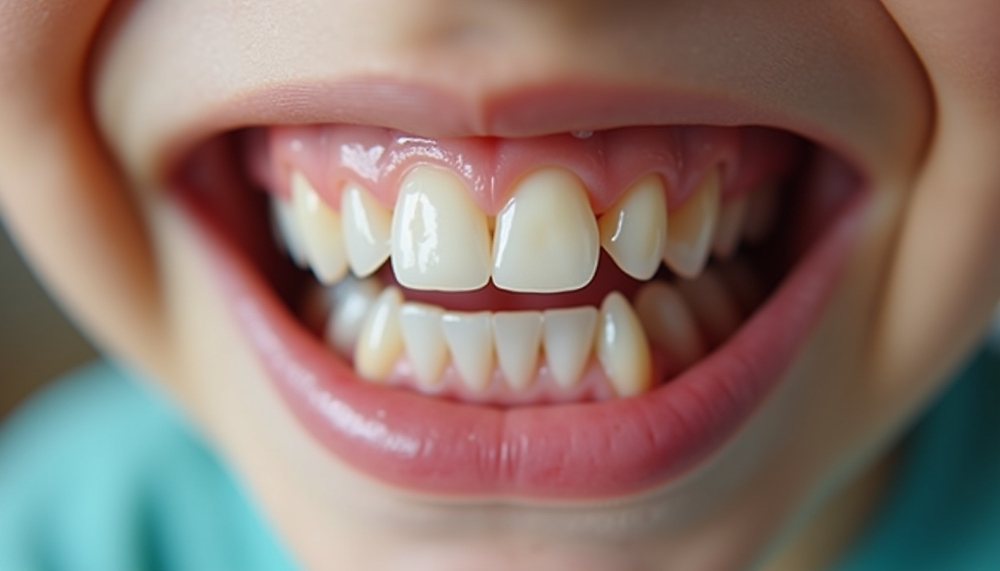
One of the most common signs parents notice first is crowding. This happens when there isn’t enough space in the mouth for all the teeth to fit properly. You might see teeth that are rotated, pushed forward, or tucked behind others.
Crowding often starts subtly but tends to worsen as more adult teeth come in. Teeth rarely straighten themselves without help. Instead, the available space usually shrinks, making crowding more obvious over time.
If you observe your child’s teeth overlapping or looking cramped, it’s a good idea to consult an orthodontist. Early intervention can sometimes prevent more serious crowding later.
2. Delayed or Early Loss of Baby Teeth
Baby teeth act as placeholders for permanent teeth. They guide the adult teeth into the right position. When baby teeth fall out too early or stay in place too long, it can disrupt this natural process.
For example, if a baby tooth is lost prematurely, the neighboring teeth may shift into the empty space. This leaves less room for the adult tooth to emerge properly. On the other hand, if baby teeth linger, adult teeth may come in crooked or in the wrong spot.
Tracking the timing of your child’s baby teeth loss can reveal potential alignment issues. If the pattern seems off, an orthodontic evaluation can help determine if braces are needed.
3. Problems with the Bite
Sometimes teeth look straight, but the way they fit together when biting reveals a problem. Bite issues can include:
- Upper teeth that stick out too far over the lower teeth (overbite)
- Lower teeth that extend beyond the upper teeth (underbite)
- Front teeth that don’t touch when biting down (open bite)
These bite problems can affect chewing, speech, and jaw development. They may also cause uneven wear on teeth over time. Because bite issues are not always obvious, it helps to have a professional check your child’s bite during dental visits.
4. Difficulty Chewing or Biting
If your child complains about trouble chewing food or biting into certain items, this could indicate a misalignment. For example, a child with an open bite might struggle to bite into apples or sandwiches. Jaw discomfort or frequent biting of the inside of the cheek can also signal orthodontic concerns.
Pay attention to any signs of discomfort or difficulty during meals. These issues often improve with braces that correct the bite and tooth positioning.
5. Speech Problems Related to Teeth
Certain speech difficulties can be linked to how teeth are aligned. For instance, a lisp or trouble pronouncing “s” and “th” sounds may result from gaps or misaligned front teeth.
If your child’s speech therapist or teacher notices consistent speech issues, it’s worth having a dentist or orthodontist evaluate the teeth. Braces can sometimes help improve speech clarity by correcting tooth placement.
6. Mouth Breathing or Snoring
Mouth breathing and snoring in children can sometimes be related to dental or jaw alignment problems. For example, an overbite or narrow upper jaw can affect the airway, making nasal breathing difficult.
If your child frequently breathes through their mouth or snores loudly, discuss this with your pediatrician and dentist. Orthodontic treatment may be part of a broader approach to improving breathing and sleep quality.
7. Jaw Pain or Clicking
Jaw pain, clicking, or popping sounds when opening or closing the mouth can indicate issues with the jaw joint or bite alignment. These symptoms may worsen if left untreated.
If your child complains about jaw discomfort or you notice unusual jaw movements, seek an orthodontic consultation. Early treatment can help prevent more serious problems with jaw function.
Child's crowded teeth with overlapping front teeth Crowded teeth often signal the need for braces to create proper space and alignment.
What to Do Next
If you recognize one or more of these signs in your child, scheduling an orthodontic evaluation is a smart next step. Orthodontists specialize in diagnosing and treating alignment and bite issues. They can recommend the best timing for braces or other treatments.
Early assessment can sometimes simplify treatment and improve outcomes. Even if braces aren’t needed immediately, monitoring your child’s dental development helps catch problems before they become more complex.